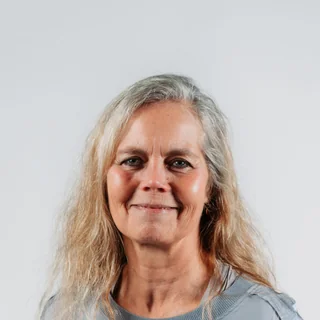
Offshore Medicals is run by Dr Helle Wibe
Seafarer and petroleum doctor with more than 20,000 medical examinations. OEUK-approved since 2006 and approved in Denmark, Norway, the UK and Sweden.
Do you take regular medication and need a seafarer medical or an offshore certificate? Here is what the ILO and IMO, the Danish Maritime Authority and the Norwegian health requirements say about medication, blood thinners and documentation.
Taking medication does not in itself mean you cannot get a certificate. The ILO and IMO guidelines on the medical examinations of seafarers state that medication can play an important part in enabling seafarers to continue working at sea. The doctor assesses the medication you take, its known side effects and how you react to it.
The Norwegian health requirements regulation requires that you do not use medication, prescribed or not, that reduces your ability to work safely and to handle an emergency and evacuation.
The ILO and IMO state that if medication is clinically essential to control a condition, such as insulin, anticoagulants and medication for mental health conditions, it is dangerous to stop it in an attempt to be fit for work at sea.
The ILO and IMO list three groups that can impair routine and emergency duties:
They also mention medication where missing doses can be dangerous, such as insulin, anti-epileptics and blood pressure medicines, and medication that needs checks so often that the certificate may be shorter or limited to certain waters.
The ILO and IMO state that seafarers should have written documentation for their medication that can be shown to any official who questions the medication on board. This is particularly important for prescribed controlled drugs and for medication that may be abused.
In addition to the medication requirement, the Norwegian regulation states that you must not use sedatives or anaesthetics in doses that reduce alertness and working capacity. The County Governor of Rogaland states, among other things:
See more conditions in the guide Norwegian health certificate: medical conditions. A British OEUK certificate is also accepted for work on the Norwegian shelf, according to the County Governor.
Bring a list with the names and doses of your regular medication, and take it as usual unless agreed otherwise. See more in the guide how to prepare. With your express consent, the seafarer doctor can obtain information about your medication and medical history when needed for the examination (BEK section 8).
Prices include VAT and are also on the price list. The clinic is at Smørpøtvej 9, Esbjerg Ø.
DKK 1,035
Eyesight, colour vision and hearing to the Danish Maritime Authority annexes.
Sources: ILO and IMO, Guidelines on the medical examinations of seafarers, appendix D, Danish Maritime Authority, BEK no. 1463 of 5 December 2023, section 8 and annex 3, Norwegian regulation on health requirements for persons working on petroleum installations offshore, section 11 and County Governor of Rogaland, Helseerklæring offshore. Read September 2026. This page is practical guidance and does not replace the doctor's assessment on the day.
It depends on the medication and your condition. The doctor assesses the medication you take, its known side effects and how you react to it. Medication does not in itself rule out a certificate.
No. The ILO and IMO state that it is dangerous to stop essential medication, such as insulin or blood thinners, in an attempt to be found fit. Take it as usual unless agreed otherwise.
The County Governor of Rogaland states that blood thinners such as Marevan and Xarelto require two months of stable treatment.
The ILO and IMO recommend written documentation for your medication that can be shown to an official. This is particularly important for prescribed controlled drugs.
A list with the names and doses of your regular medication. A photo of the boxes is enough.
Seafarer and petroleum doctor with more than 20,000 medical examinations. OEUK-approved since 2006 and approved in Denmark, Norway, the UK and Sweden.